Writing

Design systems are Humans First: Why AI is killing the Figma Source of Truth

We are using next-generation AI to build faster horses. The Rogue Pixel problem: when designers refine AI-generated screens manually, they break the mathematical constraints that make design systems work.

Vibe coding and design systems

The problems with vibecoding and the rise of VibeMagic — what happens when AI-generated code meets design systems that weren't built for machines.

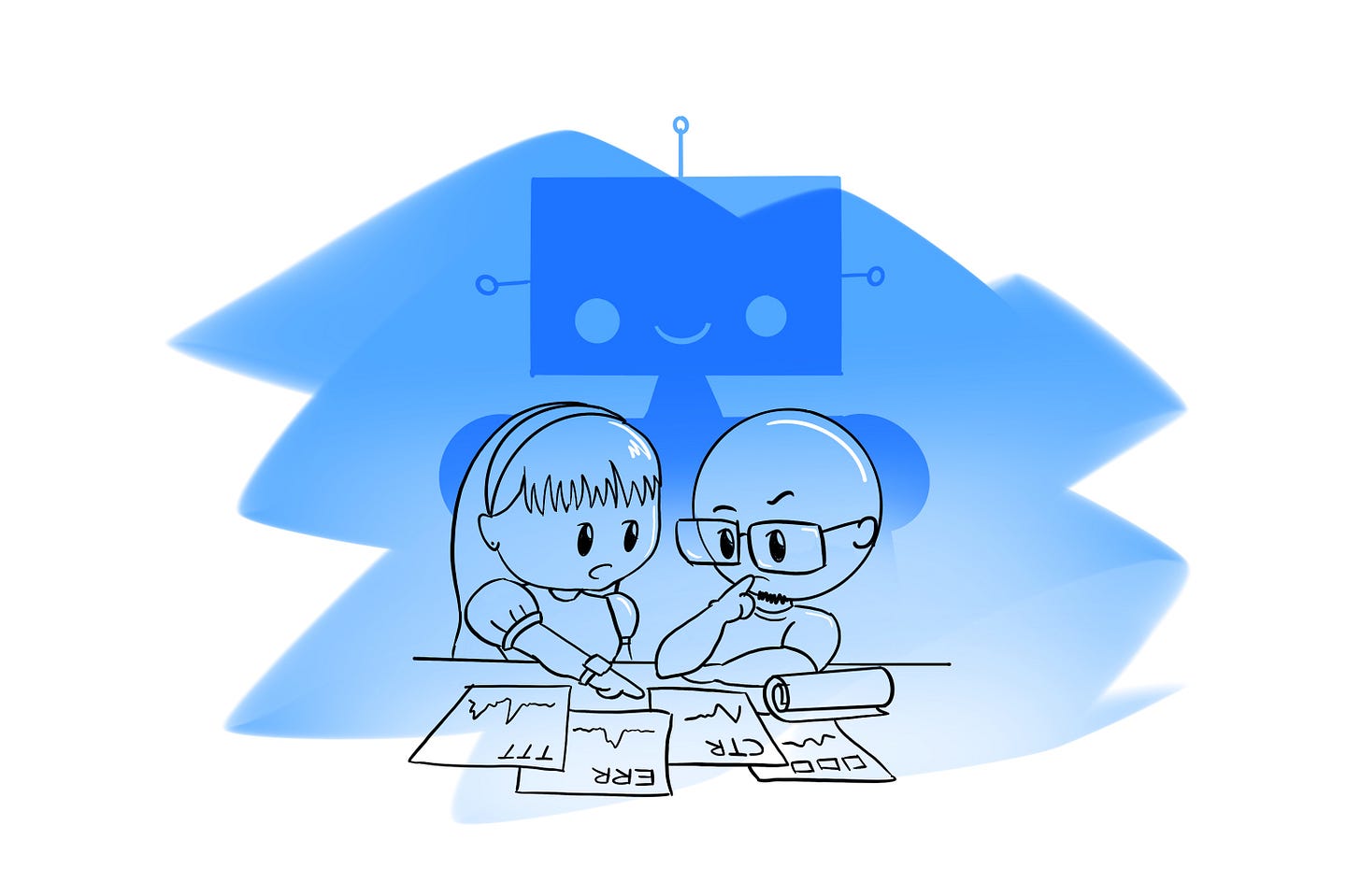
AI is here, is the design field ready?

How the traditional methods of measuring the effectiveness of a design might change in this new agentic era.

AI is here, are the designers ready?

How the agentic era might change the way we measure digital experiences — a podcast episode exploring what changes and what stays human.

Designers Must Code?

I have been an IC working in enterprise design for almost a decade. With AI generating and shipping code faster, I've realised designers have to code — and here's why.

Designers Must Code?

What must change as products get complex and AI tools get better — a conversation about the shifting boundary between design and engineering.

AI-coding and accessibility

How well is AI-generated code actually working for accessibility — and what can humans do to close the gap it consistently leaves behind.

Cracking the CPACC exam

The CPACC certification is the gold standard for accessibility professionals. This episode covers the preparation strategy, resources, and what to expect on exam day.

Selecting right font sizes for mobile apps

How to make sure the text in your app is AA compliant — a practical guide to type scale decisions that hold up under real-world accessibility requirements.

Selecting Accessible Typefaces

Small considerations to make text readable by everyone — what makes a typeface accessible and how to evaluate fonts before they end up in a live product.

Contrast vs APCA

Why it is time to change from 4.5:1 to Lc 60 — breaking down the difference between WCAG's legacy contrast formula and the more perceptually accurate APCA model.

Why Should Product Thinkers Give a Damn About Accessibility

Necessary for a few, helpful to all — and in the future, foundational. A case for why accessibility belongs at the product strategy table, not just the QA checklist.

Cracking the CPACC exam

As of yesterday, I am an IAAP-certified Accessibility Professional. The journey to the gold standard certification — what I studied, what surprised me, and what it means.

Déjà Vu All Over Again

The recurring nightmare of accessibility audits and inaction — why the same issues keep appearing sprint after sprint, and what actually breaks the cycle.

Stark — The new avenger everyone needed

A neat little Figma plugin that takes handover to another level — contrast checking, touch targets, alt text, vision simulation, and more, all inside your design tool.

App Accessibility Scorecard

SUC-o-meter — a new way to measure how bad the app sucks. A framework for scoring mobile app accessibility by flow type and severity, not just WCAG criteria.

Crushing the accessibility audits

What happens in accessibility audits should not stay in accessibility audits. A step-by-step breakdown of how to run them, prioritise findings, and actually move the needle.

The current state of app accessibility

With all the tools at our disposal, we are doing a remarkably bad job. Mobile data surpassed desktop — so why is mobile accessibility still treated as an afterthought?

Designing for B2C vs B2B: an Insight

Drawing on 11 years across both domains — what's genuinely different between consumer and enterprise product design, and what people consistently get wrong.

Attempting to create my first Figma plugin with ChatGPT

A code-illiterate's journey — using ChatGPT to build an accessibility-focused Figma plugin from scratch, one error message at a time.

Why should product designers give a damn about accessibility

A slight detour to understand why I started giving a damn about accessibility in the first place — and why it became the thing I can't stop thinking about.

Working with Product developers

Controversial theories — but this might just work. Ten years as a product designer has taught me that being included early in software PLM is not a nice-to-have; it's essential.

A letter to all my Ex-es: a lookback

We celebrated Valentine's Day a couple of days ago. As you grow older, you start finding the true meaning of things you just assumed in your youth — including the tools you left behind.

Design system: when not to build

Design systems are a hot topic. Everyone with a product company insists on having one — but the more interesting question is when you genuinely shouldn't.

The making of La Ruche, a design system for our platform

In 2020, I joined Dista as a designer tasked with making the platform better, leaner, scalable, and more usable. This is how a design system got built from field research up.

Neumorphism vs Accessibility

2019 brought in a new way of designing subtle UI elements — a style that resembles skeuomorphism but is a replica of a representation. Here's why it fails people who need it most.

Can Requirement Gathering Workshops yield an early UX solution?

Yes — drawing from GV SPRINT methodology, I developed UXBolt, a condensed 2-day workshop approach tailored for IT service industries that surfaces UX direction before a line of code is written.

Multitasking, UX and why you shouldn't combine them

A combination spoon-fork-knife eliminates the need to carry three utensils — but in the process of making it, they screwed up the experience of using each individual element.

Mobile user experience design

The use of mobile phones has been increasing exponentially since 2007. The tiny device where you can practically touch the content has become an integral part of our lives.

The best tool for UX existed since time unknown

Freshly brewed UX designers ask what the best tool is — and experienced designers often jump into software before understanding requirements, when simpler methods serve them better.

Pure Visual Designers, Wake up!

Instagram changed its logo and the entire look of its app — and most people didn't even notice. That invisibility is the point, and it's a lesson pure visual designers keep missing.